Two photographers capture the visible indicators of how much our lives have shifted during the COVID-19 pandemic.
The New Normal
People in Regina adjust to life during the COVID-19 pandemic
Bryan Eneas and Kendall Latimer
May 3, 2020
Masks. Paper hearts in windows. “Closed until further notice” signs. These images are ubiquitous during the coronavirus pandemic. But they’re not the only visible indicators of how much our lives have shifted. Two photographers explore — from a distance — how people have adapted to life’s new restrictions and the barriers between us.
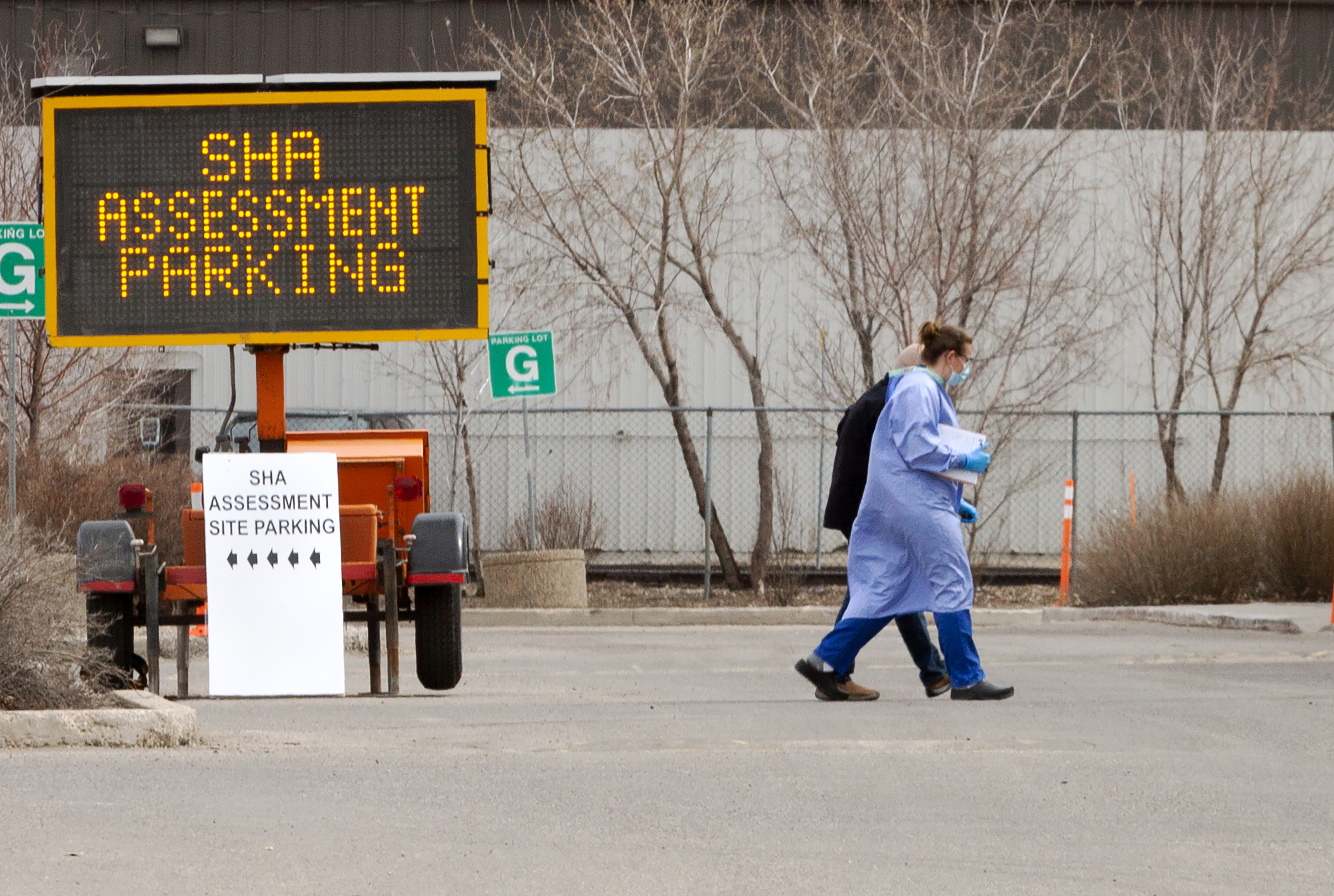
A nurse wearing PPE takes a person inside a Saskatchewan Health Authority testing site set up in Regina to assess people showing COVID-19 symptoms. Two such facilities were established during the pandemic. (Bryan Eneas/CBC)
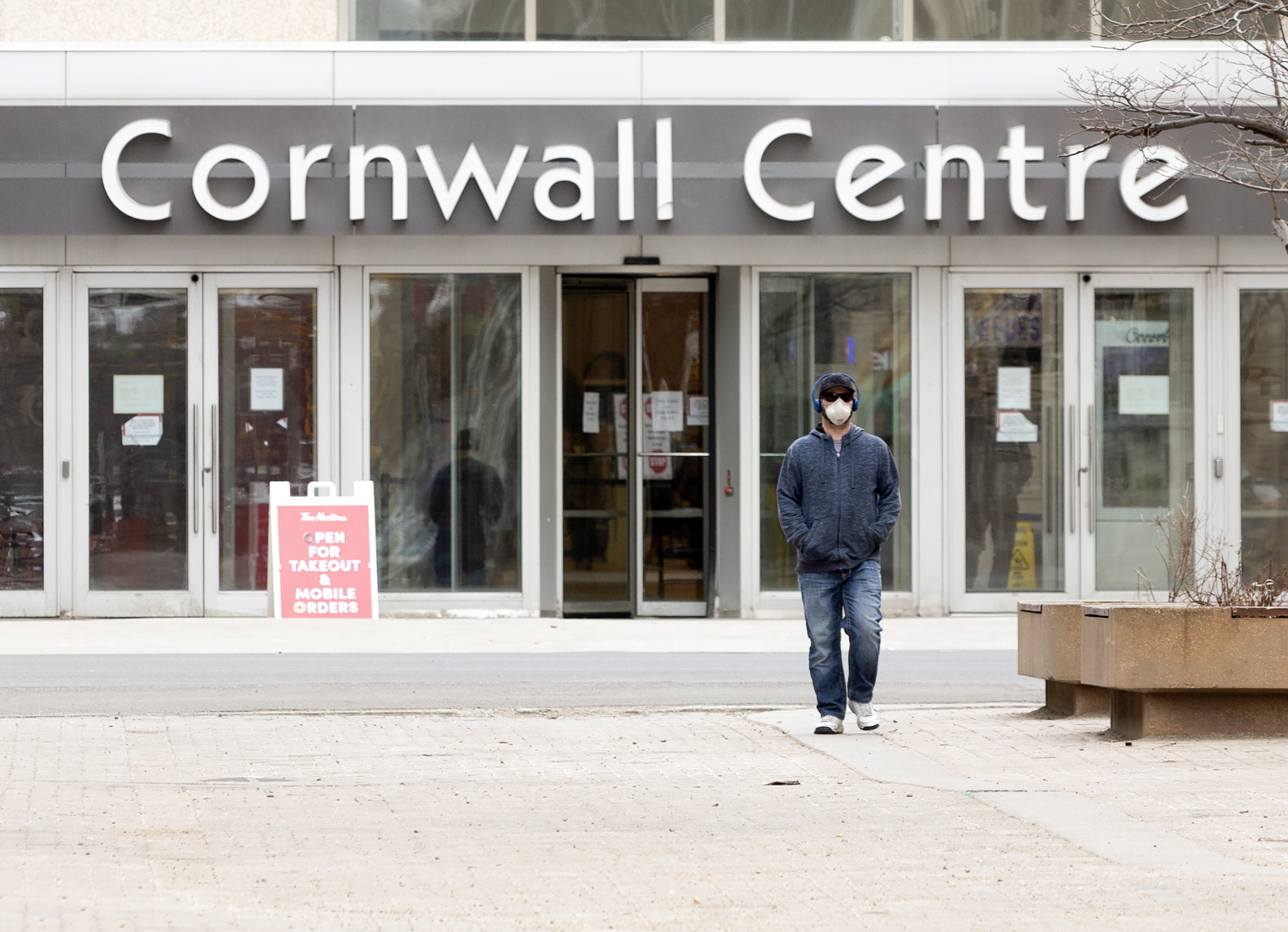
From cloth masks, to surgical masks, to highly sought after N95 masks, Regina residents don a variety of face-wear during the COVID-19 pandemic to protect themselves and others from the spread of the virus. (Bryan Eneas/CBC)
For many, our daily patterns revolve around food — and it’s one that’s now barely recognizable. People have been left to grapple with food security. Where and how we get food has changed drastically, from enhanced safety measures to a reliance on takeout and delivery.
COVID-19 has changed the way people shop for groceries, with some stores limiting the number of customers inside, while others established one-way aisles to encourage physical distancing. Many now have handwashing stations and plexiglass barriers for cashiers. (Bryan Eneas/CBC)
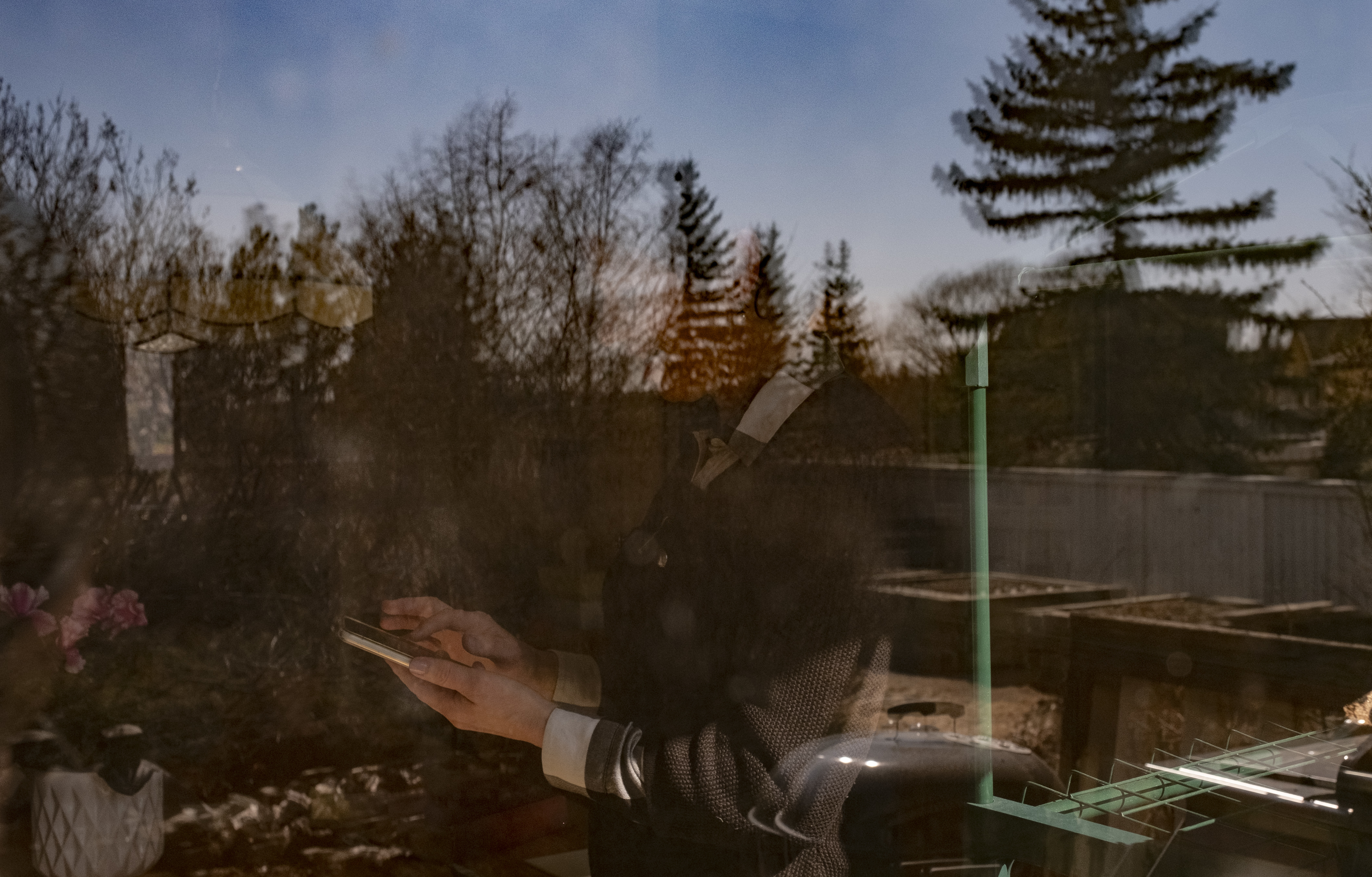
CJ Katz is busy in an unexpected way — managing a social media group that connects hungry people (or those tired of doing dishes) and food makers across the province. She works off of her phone and computer to prompt businesses from her home, and has mobilized a team of volunteers to help her keep things under control. (Kendall Latimer/CBC)
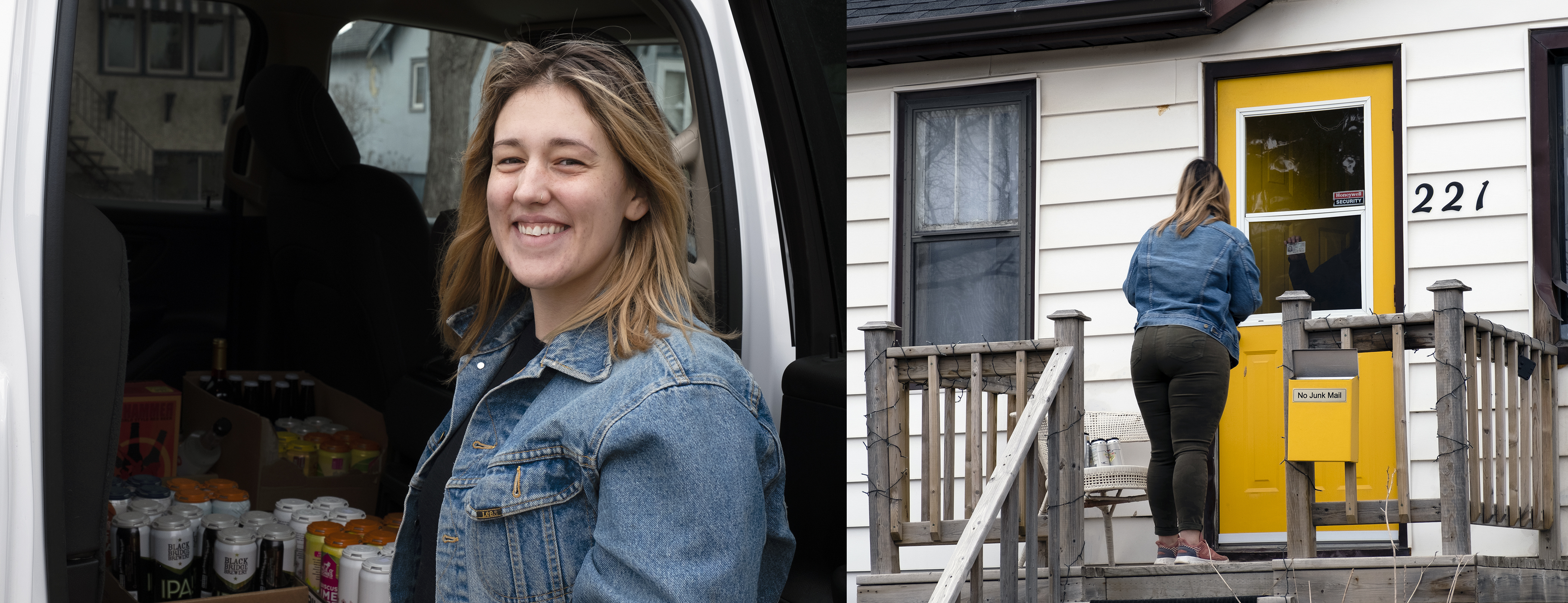
A new service has been born from the pandemic restrictions: Sask. Beer Deliveries. Lexy Desjarlais has a quick smoke before heading out into the night. She checks ID through the door and leaves the order on the doorstep. (Kendall Latimer/CBC)
For some shops the continued business, however slim, has been a lifeline. But some stores can’t operate under current conditions or are choosing not to.
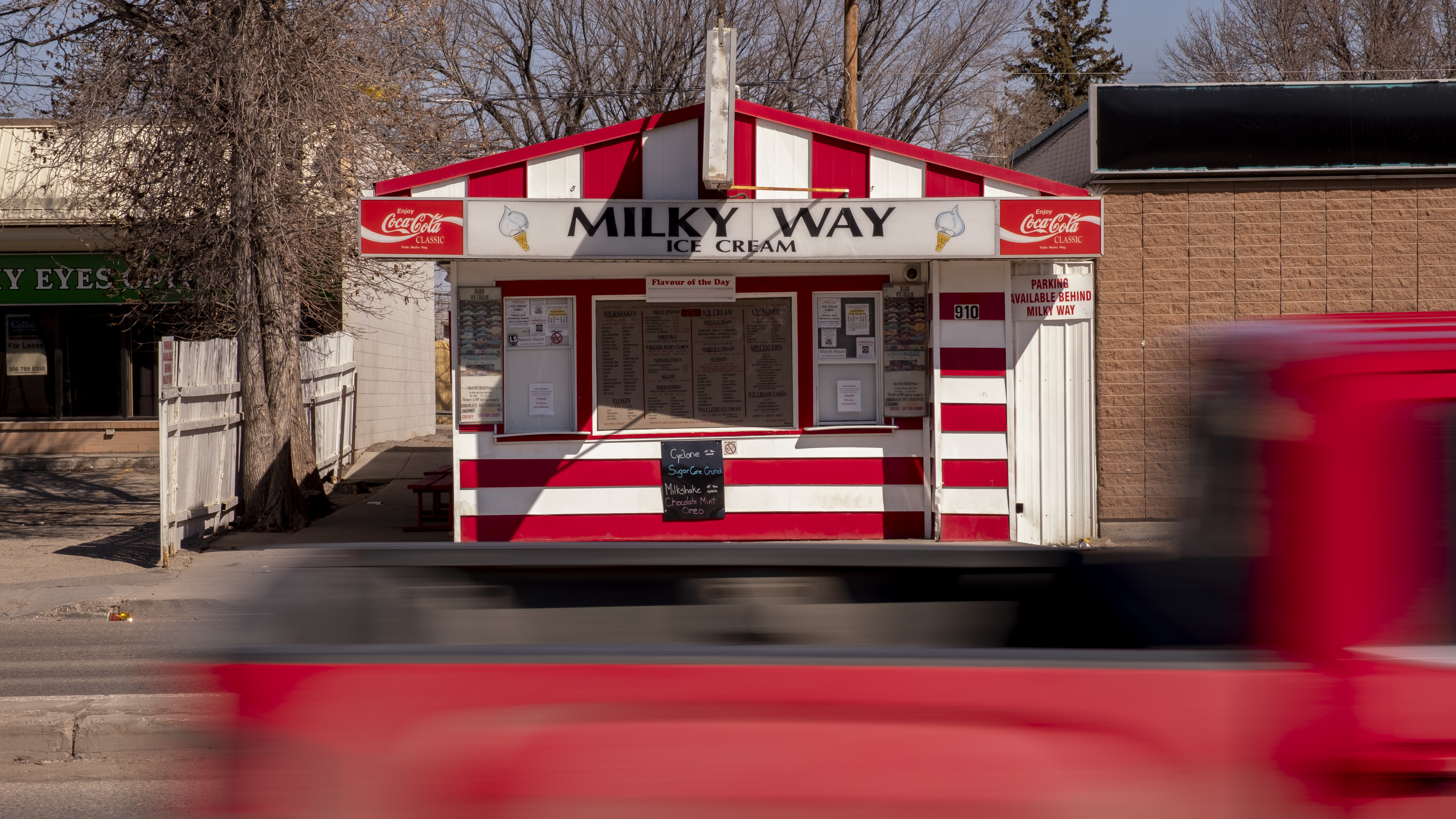
The Milky Way ice cream stand — where the bustling crowd signals a shift in seasons and a time of gathering outside most years — was only able to serve cones for a few days before having to close. (Kendall Latimer/CBC)
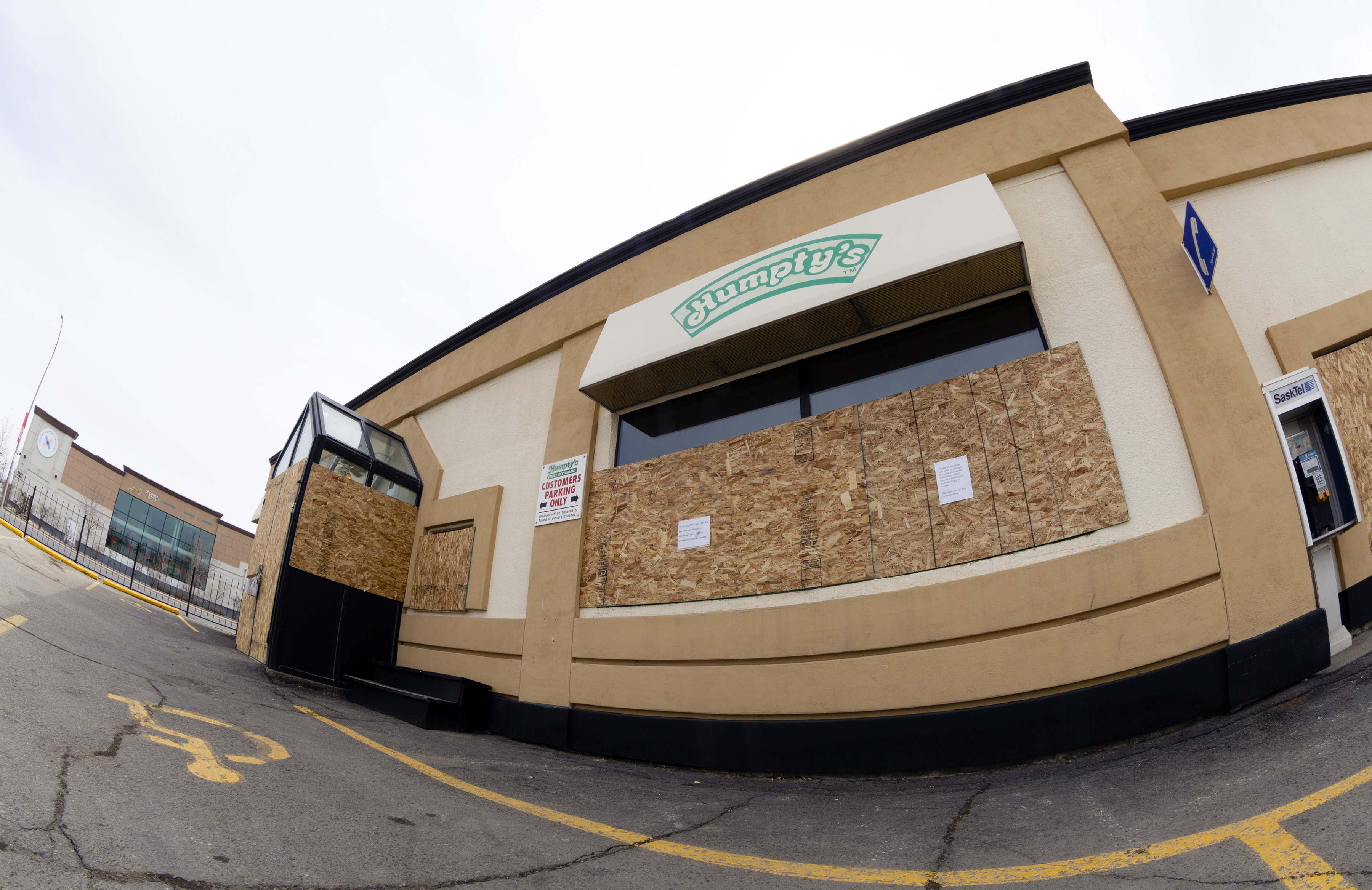
Humpty’s restaurant on Albert Street was boarded up in early March, following the government’s declaration of a state of emergency. Signs on the building tell people there are no valuables left inside the building and ask that they not vandalize the structure. (Bryan Eneas/CBC)
Screens have become synonymous with life at home, for those with access; the Internet, a way for humans trying to find connection and order. Classrooms, book clubs and even gyms have gone online.
Daniel Yaskowich hops to show high school baseball players the moves. He’s a partner and coach with Level 10 Fitness Inc., and converted his garage into a gym, of sorts. He leads multiple sessions each day, saying the absence of human interaction aside from the occasional thumbs-up is strange. But he can tell the people need it. (Kendall Latimer/CBC)
If people do venture out, their movements are restricted and the world around them holds constant reminders of the pandemic.
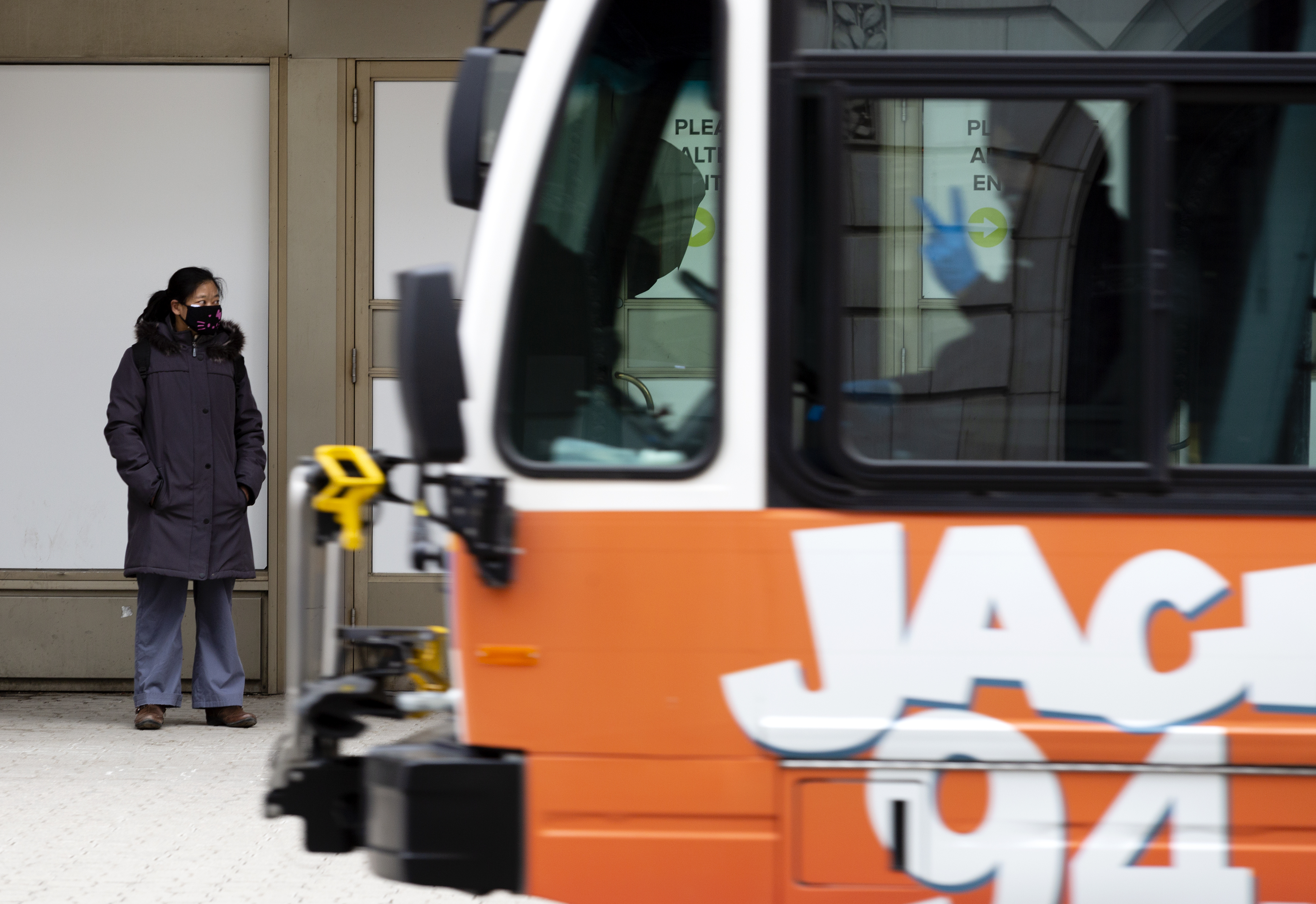
A bus driver flashes a peace sign while a woman wearing a mask waits for a bus in Regina’s downtown. Transit drivers are wearing more personal protective equipment, including gloves and masks. Still, people are wary of hopping on. The city said ridership numbers had dropped roughly 16,000 per weekday by March 20. (Bryan Eneas/CBC)
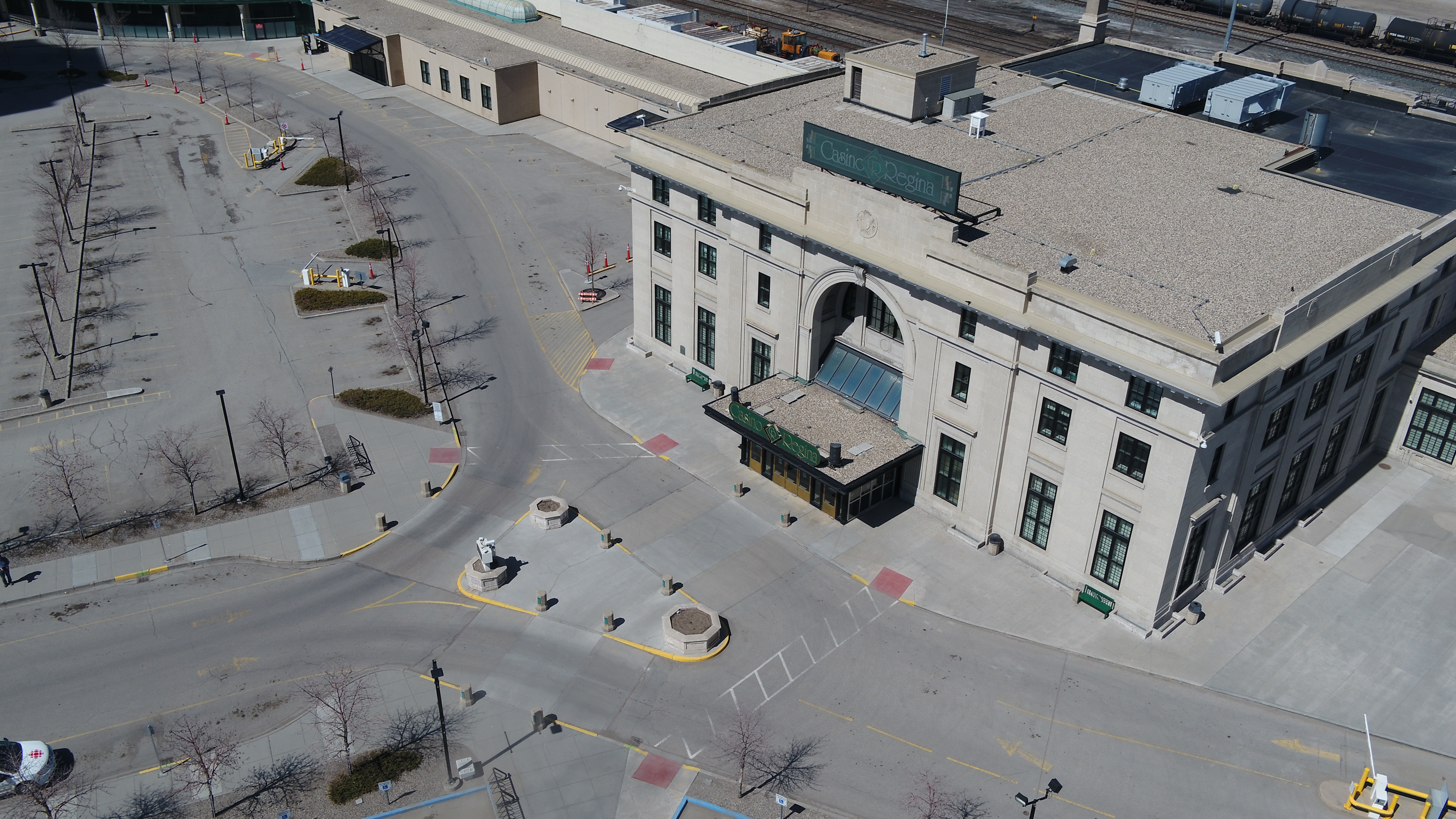
The height of pandemic restrictions resulted in a Regina centre that was eerily quiet with a tinge of the apocalyptic. Right about now, the patio owners should be dragging out their tables and Scarth Street should be bustling at lunchtime with office workers grabbing a bite.
Parking lots were left empty, including the lot at Casino Regina, which is almost always full with gamblers, drinkers or downtown workers. (Trent Peppler/CBC)
It’s a hub for fast-walking briefcase carrying, high-heel wearing business people. It’s a space where vulnerable people can ask for spare change or come together. It's a hangout zone for the students skipping class. But for now, all class is cancelled — and so are gatherings for song, theatre, dance and art on Scarth Street. (Kendall Latimer/CBC)
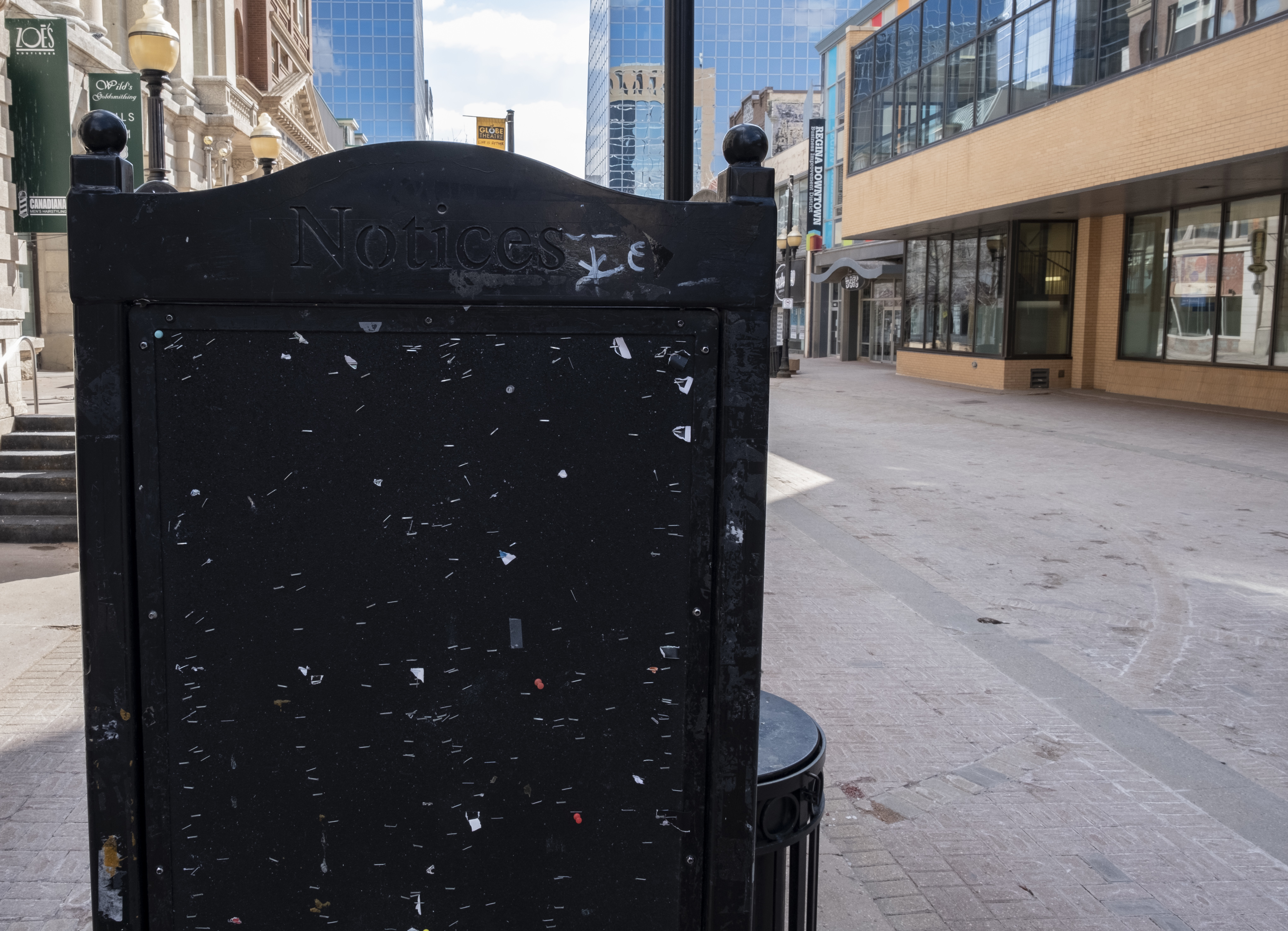
Notice boards around the city have been stripped bare as event-planning has come to a halt. (Kendall Latimer/CBC)
As of May 4, the province — at least the lower half — is easing restrictions gradually. Along with spring weather, Reginans are flocking to spaces that are slowly greening.
Eye contact still seems sparse as bikers, joggers and lollygaggers follow one-way rules around Wascana Lake. Physical distancing reminders could be contributing to the long side-eye glances cast at those heading in the “wrong” direction, or the runners who leap a little too close for comfort. (Kendall Latimer/CBC)
City measures attempting to limit gatherings included restricting access to playground structures in the city. Caution tape and COVID-19 warning signs were installed in the early spring. (Bryan Eneas/CBC)
Messages of kindness, care and gratitude for healthcare workers have popped up in warmly glowing windows, where paper hearts hang, too. This togetherness trend has gained popularity, even in the corporate world, as people at home continue to think about those who don’t have the option of staying home.
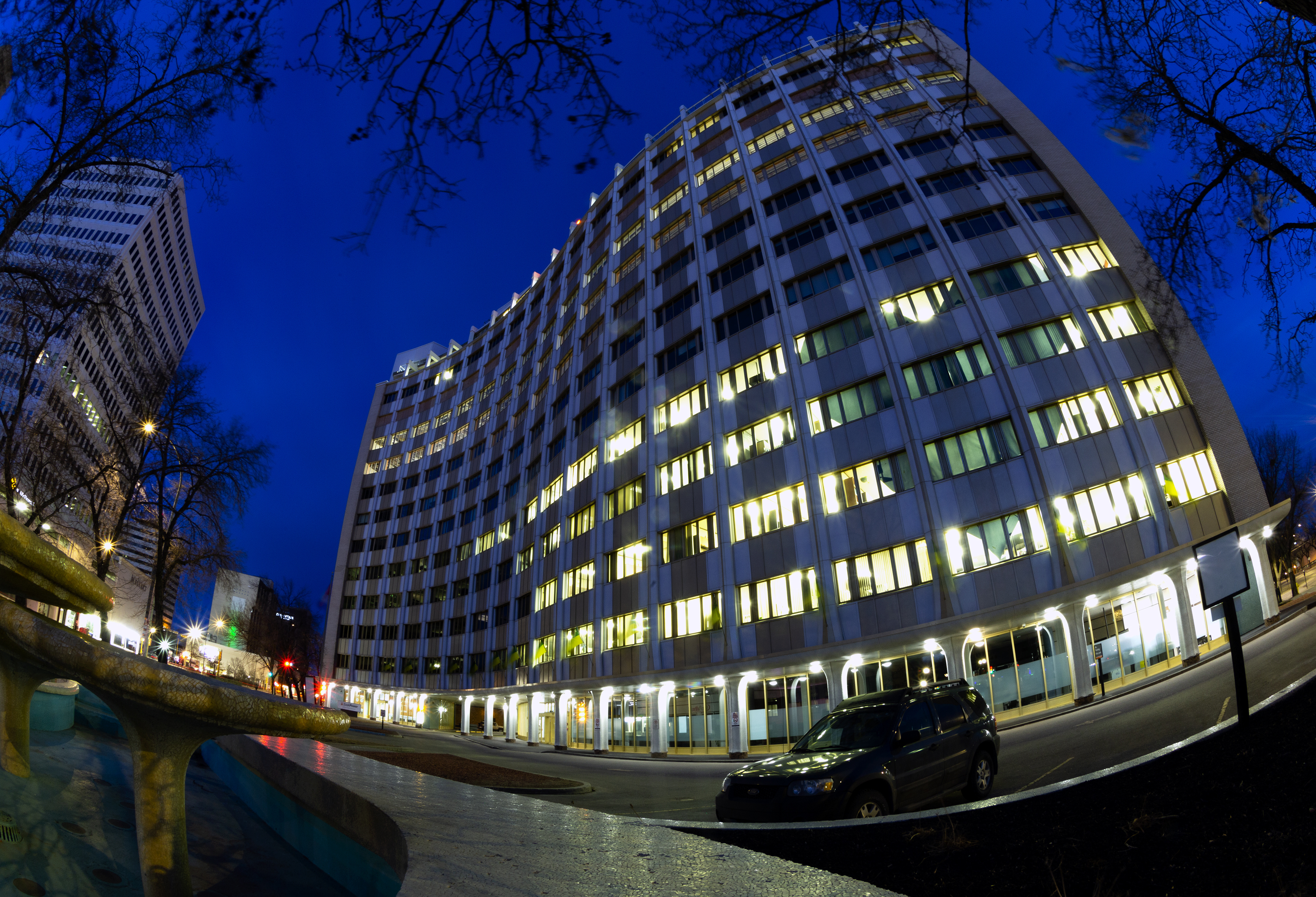
SaskPower showed its support for frontline workers, including its own employees, who have to work during the COVID-19 pandemic, by constructing a heart in lights over several floors of the Crown corporation’s head office in Regina in early April. (Bryan Eneas/CBC)